What Is the Best Month for a Bali Spiritual Healing Retreat?
May 12, 2026 · Bali Spiritual Retreat Editorial Desk

Updated: July 2026
What Is the Best Month for a Bali Spiritual Healing Retreat?
- These months provide optimal weather, with minimal rainfall (averaging 40-70mm) and low humidity.
- Expect clear skies and comfortable temperatures around 27°C (80°F), perfect for outdoor yoga and temple visits.
- This is also when the island’s top healers and wellness practitioners have their widest availability.
The Energetic Hum of the Island
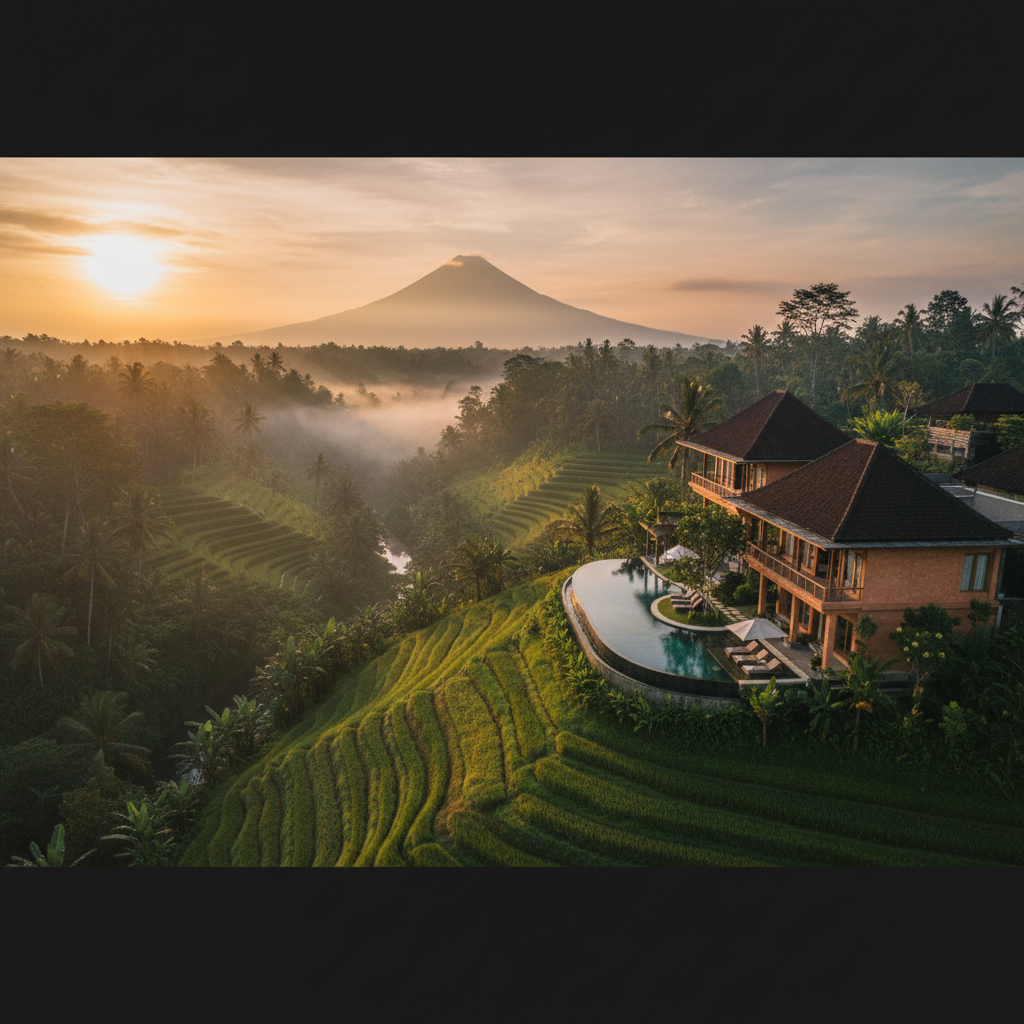
The air hangs thick with the scent of champaca flowers and slow-burning incense from a nearby family temple. A faint, percussive rhythm from a distant gamelan orchestra drifts through the frangipani trees, a constant soundtrack to the island’s pulse. You are here, in the spiritual heart of Bali, to do more than just see; you are here to feel, to heal, to connect. But the most common question I receive from our readers at Departures isn’t about which healer to see or which villa to book—it’s about timing. When is the precise, optimal moment to embark on this journey? The answer isn’t a simple calendar entry. It’s a delicate interplay of climate, culture, and cosmic energy. Choosing the right month is the first, and perhaps most crucial, step in aligning your inner world with the potent spiritual landscape of this island.
The Dry Season Apex: Why June to August Reigns Supreme
For the pragmatist seeking idyllic conditions, the period from June through August is the undeniable pinnacle. This is Bali at its most climatically cooperative. Statistically, these months represent the driest period of the year, with monthly rainfall often dipping below 50mm, a stark contrast to the 350mm-plus deluges of January. Humidity hovers at a more manageable 75%, and you can expect an average of nine hours of daily sunshine. From a practical standpoint, this means your sunrise yoga practice on a riverside shala will not be interrupted, and your pilgrimage to the sacred springs of Pura Tirta Empul will be under clear, blue skies. The journey to cliffside Pura Luhur Uluwatu for the evening Kecak dance is far more pleasant without the threat of a tropical downpour. I recently spoke with Jean-Michel Gathy, the visionary architect behind some of the island’s most serene properties, who told me, “Bali’s light in July is exceptional. It creates sharper shadows, more vibrant greens. The entire island feels more defined, more present.” This clarity is not just visual; many local healers, or *Balian*, believe the island’s energy is more stable and accessible during this time. The trade-off, of course, is popularity. This is peak season, and prices for luxury villas and private wellness programs can surge by as much as 50%. Securing time with renowned practitioners like high priestess Ida Resi Alit requires booking at least six to nine months in advance. Planning a comprehensive Bali spiritual retreat during these months is an exercise in foresight, not spontaneity.
The Shoulder Seasons: A Connoisseur’s Choice for April, May, and September
While the masses flock to Bali in July and August, the seasoned traveler often prefers the shoulder months. April, May, and September offer a sublime balance, a sweet spot where the weather is still magnificent, but the crowds have begun to recede. May, in particular, is a personal favorite. The land is still impossibly lush and vibrant from the preceding rains, yet the downpours have largely subsided to brief, afternoon affairs that feel more refreshing than disruptive. Accommodation rates at premier resorts can be 15-25% lower than in the high season, and there’s a palpable sense of calm. You’ll find more space for quiet contemplation at the UNESCO World Heritage-listed Subak irrigation landscapes surrounding Jatiluwih. This period also often coincides with some of Bali’s most significant cultural ceremonies. The Galungan and Kuningan festivals, which celebrate the victory of dharma over adharma, fall within a 210-day cycle and can land in these months. To witness the entire island adorned with elaborate *penjor* (bamboo poles) is to see Balinese spirituality in its most authentic, communal form. According to the official Indonesia Travel portal, checking the local calendar before booking is essential for those wishing to immerse themselves in these profound cultural events. These months provide a deeper, more personal connection to the island, making them an excellent choice for a second-time visitor or anyone seeking a more introspective journey of inner transformation.
The ‘Green Season’ Misnomer: Finding Serenity from October to March
The term “rainy season” does a disservice to the period from October to March. A more fitting name is the “green season,” a time of profound fecundity and renewal. Yes, it rains. But it rarely rains all day. The typical pattern is one of bright, humid mornings followed by a dramatic, cleansing downpour in the mid-afternoon, which often clears by evening. The island transforms. The rice paddies radiate an almost electric green, and the waterfalls, like the majestic Sekumpul, swell from a trickle to a thunderous cascade. For a spiritual retreat focused inward, this can be the perfect environment. The percussive sound of rain on a thatched roof is a powerful meditative aid, and the weather encourages you to slow down, to engage in deep reading, journaling, or one-on-one sessions with a mentor. My friend and a leading wellness curator, who has lived in Sayan for over a decade, swears by February. “The island exhales,” she says. “The tourist hustle vanishes, and you can feel the true spirit of the place. It’s a time for purification.” This is also when you will find the best value. Prices for even the most exclusive five-star properties can be 40-50% lower than in August. For those whose healing journey is not dependent on constant sunshine, the green season offers a unique and deeply atmospheric path to self-discovery.
Aligning with Bali’s Spiritual Calendar: Beyond the Weather App
A truly sophisticated approach to timing your retreat goes beyond meteorology. It involves aligning your visit with the island’s sacred calendar, the 210-day Pawukon cycle. The most profound spiritual event is Nyepi, the Balinese Day of Silence, which typically falls in March. For 24 hours, the entire island comes to a complete halt. The airport closes, all traffic ceases, lights are extinguished, and a blanket of silence descends. It is an enforced, island-wide meditation—an exceptional opportunity for introspection. The days leading up to Nyepi, with their vibrant Ogoh-ogoh parades, are equally spectacular. Another powerful consideration is the lunar cycle. Full moons (*Purnama*) and new moons (*Tilem*) are considered auspicious days for cleansing and blessings. Many temples, especially water temples like Tirta Empul, hold special ceremonies, and healers often perform potent purification rituals, known as *Melukat*, during this time. Planning your Bali spiritual retreat to coincide with a full moon can add a significant energetic dimension to your experience. Furthermore, each of Bali’s estimated 20,000 temples celebrates an anniversary, or *Odalan*, once every 210 days. Attending one of these vibrant, devotional festivals is a chance to witness the island’s living spirituality firsthand. A well-connected guide can help you identify which significant temple ceremonies will occur during your potential travel dates.
A Regional Breakdown: Why Ubud’s Climate Differs from Uluwatu’s
It’s crucial to understand that Bali is not a monolith; its microclimates vary significantly. The “best month” can depend entirely on where you plan to base your retreat. Ubud, the island’s spiritual nucleus, is located in the central highlands, approximately 300 meters above sea level. This elevation means it is consistently a few degrees cooler and receives significantly more rainfall than the coastal areas, even during the dry season. The mornings are often crisp and misty, creating a contemplative atmosphere ideal for jungle-based retreats. In contrast, the Bukit Peninsula in the south, home to Uluwatu and Jimbaran, is the most arid region of the island. It is defined by its limestone cliffs and dry, scrub-like landscape, receiving far less rain year-round. If your healing journey incorporates surf therapy, clifftop meditation, or beachside rituals, this region’s drier, sunnier climate is a more reliable choice. The north and east, around areas like Munduk and Amed, present yet another climate profile. Munduk, set in the mountains at an elevation of nearly 1,000 meters, is much cooler and wetter, offering a retreat from the tropical heat. Amed, on the far eastern coast, lies in the rain shadow of Mount Agung and is one of the driest parts of Bali, known for its volcanic black sand and serene, village-like feel.
Quick FAQ: Your Bali Retreat Questions Answered
What is the absolute worst month to visit for a retreat?
While “worst” is subjective, January typically sees the heaviest rainfall, often exceeding 350mm, coupled with peak humidity above 85%. This can disrupt outdoor activities and increase the presence of mosquitoes. However, for a deeply introverted retreat focused on indoor practices, it is also the quietest and most affordable month on the island.
How far in advance should I book for a June-August retreat?
For premier experiences, you should be planning 9 to 12 months in advance. The most sought-after healers, private villas, and specialized programs, such as our curated journeys of inner transformation, are often fully committed half a year out. This is not a season for last-minute arrangements.
Is there a difference in spiritual energy between seasons?
Many Balinese practitioners and long-term expatriates believe so. The dry season is often described as having a “clear” or “masculine” energy, conducive to mental clarity and action. The green season, with its life-giving water, is considered to have a more “feminine” energy, powerful for emotional release, cleansing, and purification rituals.
Does the price of a Bali spiritual retreat change by month?
Dramatically. You can expect to pay a premium of 30-50% for all-inclusive packages, wellness services, and luxury accommodations from late June through August compared to the low season rates of January and February. The shoulder months of May and September offer a desirable middle ground, often with a 15-25% discount from peak prices.
Ultimately, the perfect time for your journey is a deeply personal calculus of weather, spiritual timing, and intention. The island’s magic is not confined to a single month; it simply reveals different facets of its character throughout the year. Whether you envision sun-drenched yoga sessions in August or meditative rainy afternoons in February, the island awaits. To craft a truly bespoke experience that aligns with your personal quest for healing, explore our portfolio of Bali spiritual retreat programs. Our specialists can help you navigate the seasons to find your perfect moment of transformation.