Best Time for Balispiritualretreat Guide
Updated: July 2026
Best Time for Balispiritualretreat Guide
Choosing the optimal time for your bali spiritual retreat defines the very essence of your transformative journey. Bali’s unique tropical climate offers distinct experiences throughout the year, influencing everything from the island’s lushness to the serenity of its beaches. Understanding these seasonal nuances ensures your immersion in wellness, meditation, and cultural exploration aligns perfectly with your personal aspirations.
- Dry Season (June-September): Ideal for outdoor activities, vibrant ceremonies, and pristine marine conditions, albeit with higher visitor numbers.
- Shoulder Season (April-May, October): Offers a harmonious balance of pleasant weather, fewer crowds, and more accessible luxury pricing.
- Wet Season (November-March): Experience a verdant, tranquil Bali, perfect for deep introspection, indoor practices, and significant value.
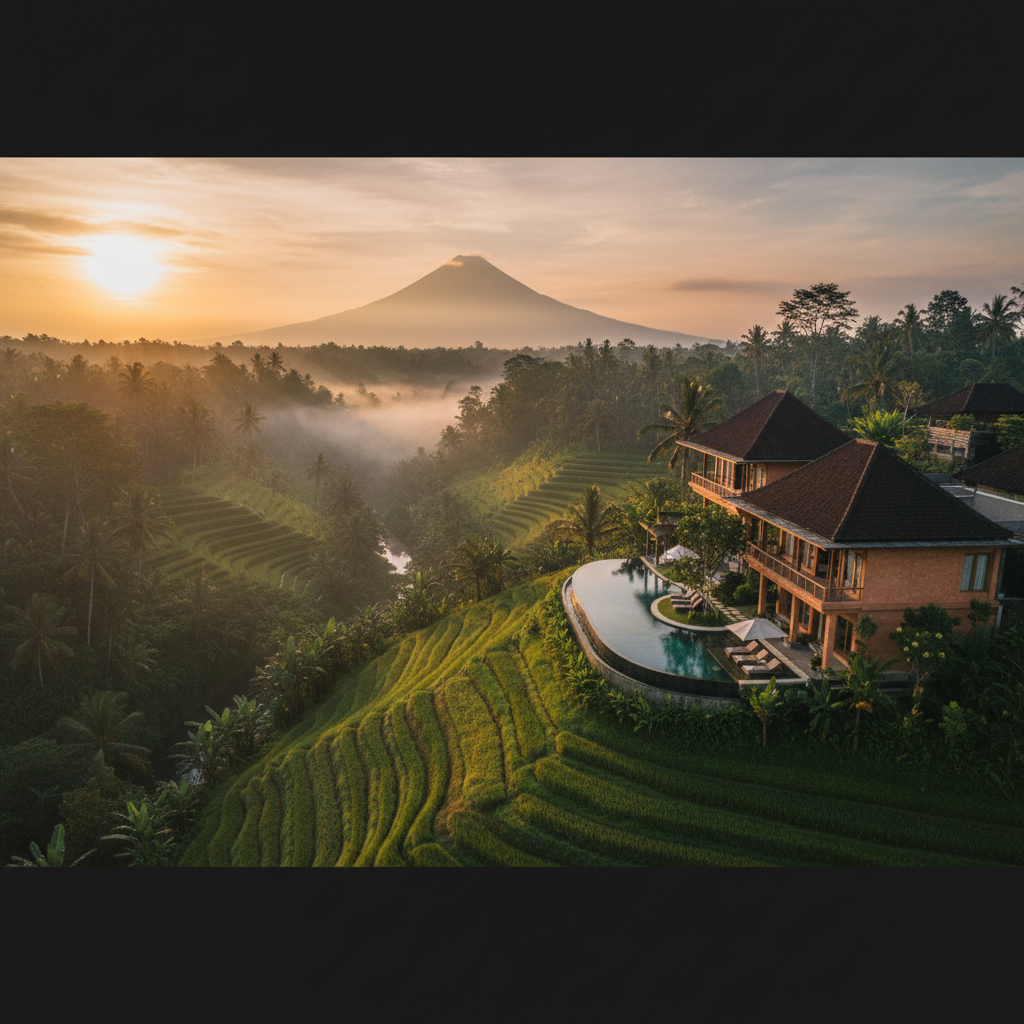
The first whisper of the Balinese breeze carries the scent of frangipani and burning incense, a prelude to the profound stillness you seek. You arrive, perhaps, as the morning mist still clings to the rice terraces of Ubud, or just as the sun begins its spectacular descent over Seminyak’s shores. Your decision on when to embark on a bali spiritual retreat is not merely a matter of checking weather forecasts; it is about calibrating your inner rhythm with the island’s pulse. Will you chase the sun-drenched days of dry season for expansive yoga sessions overlooking emerald fields, or embrace the introspective quiet of the wet season, where rain-kissed jungles hum with life? This guide illuminates each month’s unique offerings, ensuring your journey unfolds with grace and intention.
The Dry Season Zenith: June to September
Bali during its dry season is often envisioned as paradise perfected. From June through September, the island basks in abundant sunshine, low humidity, and minimal rainfall, creating idyllic conditions for exploration and outdoor spiritual practices. Average daytime temperatures hover around a comfortable 28-31°C (82-88°F), with cooler evenings, particularly in the central highlands of Ubud. This period is prime for early morning meditation sessions on a beachfront terrace, invigorating hikes through volcanic landscapes, or extended sun salutations as the sun rises over the Indian Ocean. The skies are consistently clear, offering uninterrupted views of Bali’s dramatic volcanoes and brilliant starry nights, ideal for stargazing during a silent retreat.
Naturally, such perfection attracts a significant influx of visitors. Expect higher occupancy rates at luxury resorts and wellness centers, particularly from mid-July to August. Prices for accommodations, flights, and retreat packages typically peak during these months, often seeing an increase of 20-30% compared to the shoulder seasons. Booking well in advance—at least 6-9 months for premium luxury properties—is essential to secure your preferred dates and experiences. Despite the crowds, the energy is vibrant, and the island’s infrastructure is well-equipped to handle the demand, with seamless transfers and a plethora of high-end dining options. Marine conditions are exceptional, with water visibility often exceeding 25-30 meters (80-100 feet), making it a superb time for snorkeling, diving, and ocean-based therapies. Surfing conditions are excellent on the west coast, with consistent swells attracting enthusiasts. This is when Bali truly shines for those seeking a dynamic and externally focused spiritual journey.
August: Peak Season & Vibrant Energy
August sits at the heart of Bali’s dry season, offering arguably the most consistently pleasant weather. The average rainfall is a mere 30-40mm (1.2-1.6 inches) for the entire month, ensuring nearly unbroken sunshine. This makes it an exceptional time for outdoor yoga shalas, open-air spa treatments, and exploring the island’s myriad temples without the worry of rain. However, August also sees the highest visitor numbers, with international airports like Ngurah Rai (DPS) handling an average of 45,000-50,000 passengers daily during peak weeks. Luxury villa rates can surge by up to 40% compared to off-peak, and prime retreat slots fill up quickly. If your bali spiritual retreat prioritizes perfect weather and a lively, cosmopolitan atmosphere, August delivers, but demands meticulous planning and a generous budget. Consider booking flights and accommodations 9-12 months out to secure the best rates, which can save you 15-20% on airfare alone.
The Shoulder Season Serenity: April-May & October
For the discerning traveler seeking a harmonious blend of sublime weather, fewer crowds, and more favorable pricing, Bali’s shoulder seasons are an exquisite secret. April, May, and October offer a gentle transition between the dry and wet seasons, presenting conditions that many consider ideal for a profound luxury bali spiritual retreat. Average temperatures remain warm, typically 29-32°C (84-90°F), but the intensity of the sun is slightly less relentless than the dry season peak. Humidity begins to rise slightly in October, yet largely remains comfortable. Rainfall is moderate, often manifesting as brief, refreshing afternoon showers that quickly give way to sunshine, nurturing the island’s verdant landscapes without disrupting daily activities. You might experience 5-7 rainy days in April, accumulating around 80-100mm (3-4 inches) of rain, which is minimal compared to the wet season.
The most compelling advantage of the shoulder season is the significant reduction in crowds. Major tourist sites, popular beaches, and even the bustling streets of Ubud feel noticeably less congested. This allows for a more intimate and personal connection with the island, fostering deeper introspection during your retreat. Retreat centers often have more availability, and the atmosphere becomes more tranquil, conducive to meditation, silent walks, and personalized wellness programs. Pricing for luxury accommodations and bali spiritual retreat packages typically drops by 10-20% compared to peak dry season rates, offering exceptional value without compromising on experience. Flight prices also tend to be more competitive. Marine conditions remain excellent in April and May, with clear waters for diving and snorkeling, while October sees the start of west coast swells diminishing and east coast becoming more active. This period is perfect for those who value tranquility and bespoke experiences.
October: A Gentle Return to Lushness
October marks the subtle shift from the dry season, carrying with it the lingering warmth and sunshine but introducing occasional, brief downpours. The island begins to regain its vibrant, emerald hues after months of dry weather. Average rainfall might increase to 150-180mm (6-7 inches) over 8-10 days, usually in short bursts. The air feels softer, infused with the scent of damp earth and tropical blossoms. Visitor numbers continue their descent from the peak, offering a more serene environment for your spiritual journey. This month is particularly appealing for those who enjoy the lush beauty of the tropics without the heavy rains of the true wet season. You can still enjoy outdoor yoga, explore rice terraces, and experience local culture with greater ease. Pricing is notably more attractive, making luxury accessible for an extended stay or a more exclusive retreat experience. Marine life remains abundant, though visibility might fluctuate slightly after rain.
The Wet Season Embrace: November to March
The wet season in Bali, stretching from November to March, is often misunderstood. While it brings higher humidity and more frequent rainfall, this period offers a uniquely profound and introspective experience for a bali spiritual retreat. The island transforms into a vibrant, emerald wonderland, with rice paddies glistening and jungles teeming with life. Average temperatures remain warm, around 27-30°C (81-86°F), but humidity can reach 85-90%. Rain often comes in heavy, tropical downpours that might last an hour or two, typically in the late afternoon or overnight, leaving the mornings and early afternoons clear for activities. December and January are generally the wettest months, with rainfall potentially exceeding 300mm (12 inches) over 15-20 days. Source: Wikipedia – Climate of Bali
This is the quietest time on the island, with significantly fewer tourists. The reduced crowds foster an atmosphere of deep calm and reflection, ideal for inner work, meditation, and intensive yoga practices. Luxury resorts and retreat centers offer substantial discounts, often 25-40% off peak season rates, making a high-end experience more attainable. Flight prices are also at their lowest, providing considerable savings. While outdoor activities like extensive hiking might be curtailed by mud or rain, this season is perfect for indoor pursuits: cooking classes focused on Balinese cuisine, traditional healing workshops, extended spa treatments, and deep dives into philosophical studies. The air is fresh and clean after the rains, and the island’s spiritual energy feels palpable and undisturbed. Marine conditions for diving and snorkeling are generally better on the east coast, as the west coast experiences stronger currents and reduced visibility due to runoff. Surfers will find excellent conditions on the east coast breaks.
January & February: The Height of Lushness and Serenity
These months represent the zenith of the wet season, characterized by intense greenery and profound tranquility. Rainfall is at its highest, but the beauty it brings is undeniable. Imagine meditating to the rhythmic patter of rain on a thatched roof, or enjoying a holistic massage as the jungle outside hums with renewed life. This period is particularly attractive for those seeking deep personal transformation away from external distractions. Many luxury retreats design specific programs around the wet season, focusing on indoor practices, culinary arts, and contemplative workshops. With tourism at its lowest, you’ll find an exceptional sense of peace and exclusivity. This is also when the UNESCO-recognized Subak system, Bali’s ancient irrigation network, is at its most vibrant, showcasing the island’s agricultural heritage. Source: UNESCO World Heritage Centre. Prices during these months are often the most competitive of the entire year, allowing for longer stays or upgrades to more exclusive accommodations.
Marine Conditions & Water Activities
Bali’s allure extends beneath its turquoise surface, offering top-tier diving, snorkeling, and surfing opportunities that are heavily influenced by seasonal conditions. Understanding these patterns is crucial if your bali spiritual retreat incorporates significant aquatic elements or ocean-based therapies.
Dry Season (June-September): This period brings calm seas and exceptional visibility to the western and southern coasts of Bali. Dive sites around Nusa Penida and Nusa Lembongan, famous for manta rays and the elusive Mola Mola (ocean sunfish), offer astounding visibility, often 20-30 meters (65-100 feet). Water temperatures average a comfortable 26-28°C (79-82°F). Surfing on the west coast, particularly around Uluwatu, Padang Padang, and Canggu, is at its peak, with consistent, powerful swells attracting experienced surfers globally. The currents can be strong, so always consult local experts. This is the prime time for boat trips, stand-up paddleboarding, and ocean-front yoga sessions.
Shoulder Season (April-May, October): These months offer a transition. In April and May, conditions largely mirror the dry season, with excellent visibility and calm waters, making it ideal for marine exploration before the peak crowds arrive. October sees a gradual shift, with some increased chop on the west coast as the winds begin to change, but the east coast (e.g., Sanur, Padangbai) starts to become more favorable for calmer waters and diving. Surfing transitions from the west to the east coast, with consistent, albeit smaller, waves. Water visibility generally remains good, around 15-20 meters (50-65 feet). These months are excellent for those seeking a balance of good conditions and fewer boats at popular dive sites.
Wet Season (November-March): During the wet season, the west coast experiences higher swells, stronger currents, and reduced visibility due to river runoff, making diving and snorkeling less appealing in areas like Seminyak or Canggu. However, the east coast offers a sanctuary. Dive sites around Amed and Tulamben (home to the USAT Liberty shipwreck) typically maintain good visibility, often 15-25 meters (50-80 feet), and calmer waters. Water temperatures remain warm, around 28-29°C (82-84°F). Surfing shifts predominantly to the east coast, with popular spots like Keramas and Sanur offering excellent waves. While not ideal for all water sports, the wet season still provides fantastic opportunities for those willing to explore the island’s eastern shores. Many luxury retreats with a focus on marine wellness will strategically guide guests to the best-performing coastal areas.
Festivals, Events & Cultural Immersion
Bali’s spiritual heart beats to the rhythm of its vibrant calendar of ceremonies and festivals. Integrating your bali spiritual retreat with these cultural events can deepen your understanding of the island’s profound spiritual heritage. While some festivals follow the Saka lunar calendar and vary in date each year, others are fixed, offering predictable opportunities for immersion. Source: Indonesia.travel – Bali
Galungan and Kuningan: Occurring every 210 days, these ten-day festivals celebrate the triumph of Dharma (good) over Adharma (evil). The island erupts in color, with towering bamboo poles (penjor) adorned with offerings lining every street. Temples are bustling with devotees in traditional attire, and the air is thick with the scent of flowers and incense. Experiencing Bali during Galungan, typically falling within the dry or shoulder season, offers an exceptional glimpse into the island’s deep spiritual life. Prices for accommodations may see a slight increase during these periods due to local travel, and traffic can be heavier, but the cultural reward is immense.
Nyepi (Day of Silence): Usually falling in March, during the wet season, Nyepi is Bali’s New Year, a truly unique experience. The entire island observes 24 hours of silence, fasting, and meditation. No lights, no noise, no travel – even the airport closes for the day. The preceding day features the Ogoh-Ogoh parade, where giant effigies of evil spirits are paraded and then burned. While it means a full day of quiet introspection at your retreat, the cultural significance is profound. This is an ideal time for deep meditation and inner reflection, embracing the island’s collective spiritual pause. Booking a retreat during Nyepi can be particularly transformative, offering a mandated period of complete stillness.
Ubud Writers & Readers Festival (October): Held annually, this internationally acclaimed literary festival brings together writers, thinkers, and artists from around the globe. While not strictly spiritual, it offers intellectual stimulation and a chance to engage with profound ideas, often with a focus on mindfulness, environment, and cultural dialogue. It coincides with the shoulder season, adding an enriching layer to a retreat focused on personal growth and intellectual curiosity. Expect a slight increase in Ubud-specific accommodation prices during the festival week, which usually runs for 5-7 days.
Full Moon & New Moon Ceremonies: Throughout the year, Balinese temples host special ceremonies on full and new moon days, believed to be potent times for spiritual cleansing and blessings. Many luxury retreats incorporate these local rituals into their programs, offering guests the chance to participate respectfully. These ceremonies are less about specific dates on a calendar and more about the ongoing spiritual pulse of the island, accessible regardless of the season, enhancing the authenticity of your bali spiritual retreat.
Crafting Your Bespoke Retreat: Pricing & Booking Strategies
Designing your ideal bali spiritual retreat involves more than just selecting a month; it’s about strategically aligning your budget and desired experience with the island’s seasonal ebb and flow. Luxury tourism in Bali offers a spectrum of experiences, from secluded private villas with dedicated yoga shalas to world-renowned wellness resorts boasting comprehensive programs. Understanding pricing windows is paramount to optimizing your investment.
Peak Season (June-September): This period commands the highest prices. Luxury villa rentals, which might average $500-$1500+ per night in the dry season, can see increases of 20-40%. Premium retreat packages, often inclusive of accommodations, meals, and daily activities, might range from $400-$1000+ per person per day. Airfare from major hubs like London or Los Angeles can easily reach $1200-$2500+ round trip. To secure prime spots and avoid disappointment, booking 6-12 months in advance is highly recommended. This allows access to early bird discounts, which can save up to 10-15% on total package costs. Consider staying in less central locations or slightly off-the-beaten-path luxury properties for better value, often just 15-20 minutes away from popular areas.
Shoulder Season (April-May, October): This is the sweet spot for value. You can expect to find luxury accommodations at 10-20% less than peak season rates. Retreat packages might drop to $300-$700+ per person per day. Airfares become more competitive, often falling into the $900-$1800 range from international gateways. Booking 3-6 months out is generally sufficient to secure excellent options. This period offers the best balance of favorable weather, fewer crowds, and accessible luxury pricing, making it ideal for a discerning traveler who prioritizes both quality and value. Many boutique luxury retreats offer special promotions during these months to attract visitors before or after the main rush.
Wet Season (November-March, excluding Christmas/New Year): This period offers the most significant savings, particularly from mid-January to mid-March. Luxury villas can be found at 25-40% below peak rates, potentially ranging from $300-$800+ per night. Retreat packages might start from $200-$500+ per person per day. Airfares are often at their lowest, sometimes as little as $700-$1400+ round trip. While the weather is wetter, the tranquility and lushness appeal to many. Booking 2-4 months in advance is usually sufficient, though last-minute deals can sometimes be found. Note that the Christmas and New Year period (mid-December to early January) is an exception, experiencing a mini-peak season with increased prices and crowds due to holiday travelers. If you seek profound introspection and significant value, the heart of the wet season is your exceptional opportunity.
Your journey to a luxury bali spiritual retreat is a deeply personal one, shaped by the island’s rhythms. Whether you envision sun-drenched days of active exploration, the serene introspection of a rain-kissed landscape, or a perfect balance of both, Bali offers a season tailored to your soul’s calling. This guide serves not just as a calendar, but as a compass, directing you towards the optimal moment for your transformative experience. Now, with this knowledge, begin to visualize the Bali that awaits you, and step confidently into the planning of your bespoke escape. The island’s embrace is ready, whenever you choose to arrive.
Ready to discover the perfect sanctuary for your journey? Explore our curated selection of luxury Bali spiritual retreats and begin crafting your unforgettable experience today.
Begin the Conversation
A confidential, no-cost consultation held by appointment over secure video — concierge-led, at your pace.