Visiting a Bali Wellness Retreat During the Rainy Season Guide
May 12, 2026 · Bali Spiritual Retreat Editorial Desk

Updated: July 2026
Visiting a Bali Wellness Retreat During the Rainy Season Guide
- Experience Bali’s landscapes at their most vibrant and green.
- Benefit from significant cost savings, often 30-50% less on luxury accommodations.
- Enjoy a more private and serene atmosphere with fewer tourists at popular sites.
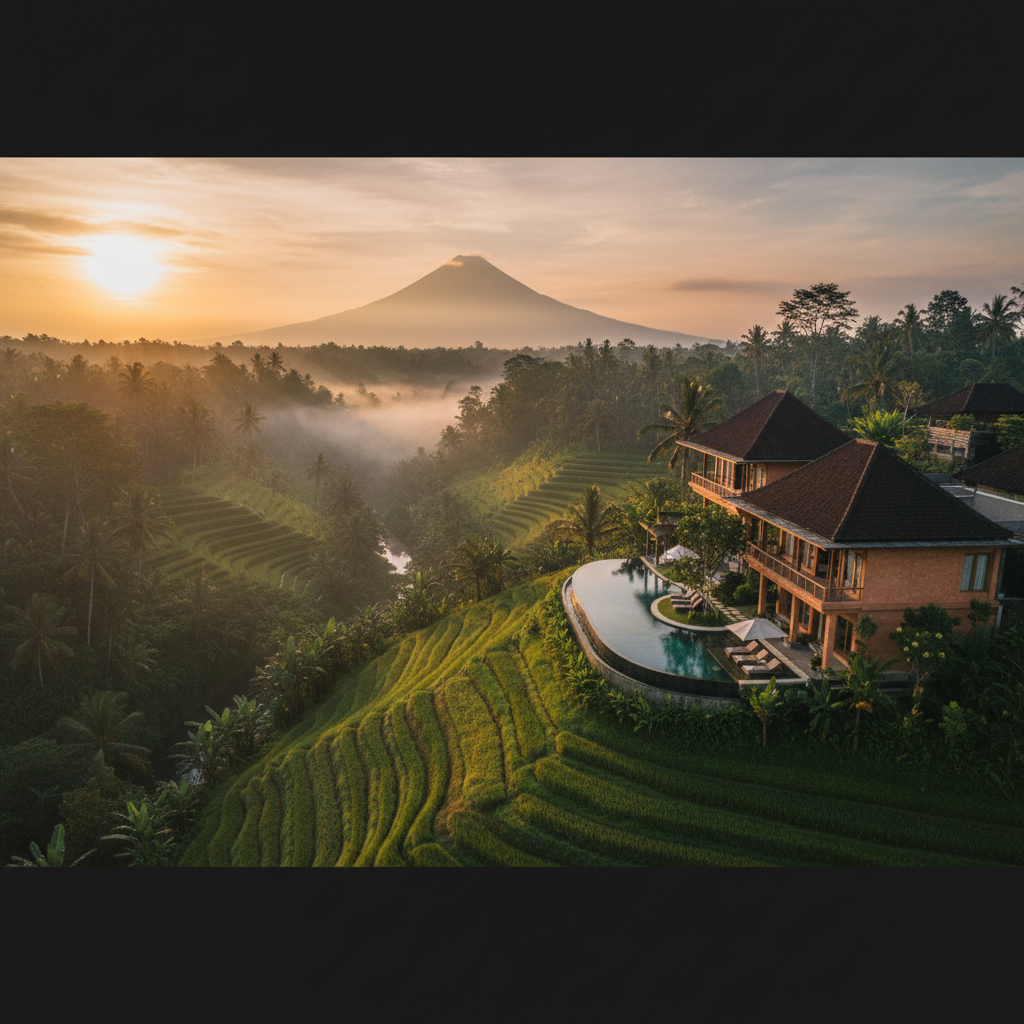
The air hangs heavy and sweet with the scent of wet earth and frangipani blossoms. From the open-air yoga shala of my villa, I watch as a curtain of silver rain sweeps across the Ayung River valley, turning the terraced rice paddies into a thousand shimmering mirrors. This isn’t a disruption; it’s the main event. The sound is a percussive, meditative rhythm on the thatched alang-alang roof, a natural soundtrack that no streaming service could ever replicate. For years, the conventional travel wisdom has been to avoid Bali during its wet months. As an editor who has visited the island in every season, I can tell you this is a profound misunderstanding. To truly connect with the island’s spirit, to find the quiet pulse beneath the tourist thrum, you must experience a bali wellness retreat rainy season. It is a time for turning inward, when the island itself seems to be in a state of deep, restorative meditation.
Beyond the Brochure: Embracing Bali’s Verdant “Green Season”
Let’s first dismantle the prevailing myth of a non-stop, trip-ruining monsoon. The term “rainy season” conjures images of grey, relentless downpours, but the reality on the ground is far more nuanced and, frankly, more appealing. Bali’s tropical climate, as detailed in broader studies of the Indonesian archipelago, is characterized by two distinct seasons. The wet season, running roughly from October through April, is better described by locals and seasoned travelers as the “green season.” This is because the rains, while sometimes intense, are typically concentrated in short, predictable bursts. You can expect a powerful, cleansing shower for two to three hours in the mid-afternoon, which clears the air, lowers the humidity, and leaves the evenings refreshingly cool. The rest of the day is often bright and sunny. In January, the wettest month, Bali might receive over 350 millimeters of rain, but this precipitation is what fuels the island’s spectacular natural beauty. This is the period when the iconic Subak irrigation system, a complex network of water temples and canals recognized as a UNESCO World Heritage site, is at its most dynamic and visually powerful. The landscape transforms into an impossible spectrum of emerald and jade, a vibrant, living canvas that feels profoundly nourishing to the soul.
The Insider’s Advantage: Securing Value and Exclusivity
The most compelling practical argument for planning a bali wellness retreat rainy season visit is the exceptional value and sense of exclusivity it affords. The travel industry’s high season, driven by summer holidays in the Northern Hemisphere, falls squarely in Bali’s dry months of June through August. During this peak, prices for everything from flights to five-star accommodations can surge by 50% or more. Come November, however, the dynamic shifts. A private pool villa at a premier Sayan ridge property that might command $2,000 per night in August can often be secured for closer to $1,200. I’ve seen flight deals from major hubs like Hong Kong and Sydney drop by as much as 30% during this period. Beyond the financial incentive lies a more precious commodity: space. Popular wellness centers, yoga studios, and restaurants in Ubud are blissfully uncrowded. You can secure a last-minute reservation at a sought-after restaurant or book a private session with a renowned healer without months of advance planning. Retreat operators around Tegallalang describe their green-season guests as a different group entirely: fewer people, longer stays, and a level of personal attention that is simply not available in July. This quieter, more intimate atmosphere is invaluable for anyone on a journey of self-discovery or healing.
Your Itinerary for Inward Journeys: Activities Enhanced by the Rain
A rainy season retreat is not about limitation; it’s about curation. The focus shifts from sun-drenched beach days to deeper, more immersive cultural and wellness experiences. A rainy afternoon is the perfect excuse to indulge in a three-hour traditional spa ritual. Instead of a quick massage, consider a Boreh treatment, a warming full-body mask of ground spices originally used by Balinese rice farmers to ease aching muscles—a perfect antidote to the humid air. The sound of the rain outside an open-air treatment room adds an extraordinary layer of tranquility. Yoga and meditation practices are similarly elevated. Imagine a vinyasa flow in a covered, teakwood shala overlooking a jungle ravine, the rhythmic drumming of rain creating a powerful, grounding soundscape. This is the time to explore indoor arts. A silver-making workshop in the village of Celuk, which can take up to four hours, becomes a perfect half-day activity. Or perhaps a traditional batik class, where the patient, methodical process of waxing and dyeing fabric feels perfectly attuned to the season’s contemplative pace. These are the kinds of deep, immersive experiences we specialize in curating for a truly transformative bali spiritual retreat. The weather encourages a slower, more mindful approach to your time, prioritizing depth over a frantic ticking-off of sights.
Logistical Grace: Choosing Your Sanctuary and Navigating the Island
Strategic planning is key to maximizing the beauty of the green season. Location is paramount. While the beach clubs of Seminyak and Canggu can feel a bit subdued, the cultural and spiritual heartland of Ubud and the surrounding central highlands truly come into their own. Here, the focus is on jungle views, river valleys, and cultural immersion—all of which are enhanced by the rain. A cliffside villa in Uluwatu can also be magnificent, offering a dramatic vantage point to watch thunderstorms roll in over the Indian Ocean. For transport, I strongly advise against renting a scooter. Roads can become slick, and visibility can be poor during a downpour. Instead, hiring a private car and driver is both safer and remarkably affordable, typically costing around 600,000 to 800,000 IDR (about $40-50 USD) for a full 8-10 hour day. This provides immense flexibility to adapt your plans around the afternoon showers. Your packing list should also be adjusted. Forego heavy cottons in favor of lightweight, quick-drying fabrics. A high-quality, breathable rain jacket is essential, as is a pair of waterproof sandals or shoes for exploring temples. Finally, mosquito repellent is non-negotiable; the damp conditions can lead to an increase in their population, particularly around dusk.
Tirtha Empul’s Blessing: The Spiritual Significance of Water
To fully appreciate a bali wellness retreat rainy season, one must understand the profound spiritual role of water in Balinese culture. The dominant local religion is a unique form of Hinduism known as Agama Tirtha, which literally translates to “Religion of Holy Water.” Water is not merely a resource; it is the primary medium for purification, blessing, and connection to the divine. This belief is most tangibly expressed in purification rituals known as Melukat, which take place at sacred springs and water temples across the island. The rainy season, in this context, can be viewed as a grand, island-wide Melukat—a period of collective cleansing and renewal. Visiting a temple like Tirtha Empul near Tampaksiring during this time is a powerful experience. The temple’s sacred pools, fed by a spring that has been bubbling for over a thousand years, feel especially potent when the air is thick with mist and the surrounding stone carvings are slick with rain. Similarly, the iconic Ulun Danu Beratan temple, which appears to float on the lake’s surface, takes on an ethereal, mystical quality when shrouded in low-hanging clouds. The official tourism portal, indonesia.travel, often showcases these sites, but their true atmospheric power is only revealed during the green season. The rain is not an inconvenience; it is an active participant in the island’s spiritual life, a blessing from the heavens that purifies the land and its people.
Quick FAQ: Your Rainy Season Questions Answered
Is it safe to travel in Bali during the rainy season? Absolutely. Bali’s infrastructure is well-equipped to handle the seasonal weather. The primary consideration is road safety; we always recommend using an experienced local driver rather than a scooter. Occasional localized flooding can occur, but it typically subsides quickly and rarely impacts major tourist areas or high-end retreats, which are usually built on higher ground.
Will my entire trip be ruined by rain? This is the most common misconception. It is highly unlikely. A typical rainy season day involves several hours of bright sunshine in the morning and early afternoon, followed by a heavy, but usually brief, downpour later in the day. These showers often last between one and three hours, leaving the evenings clear and cool. It simply requires a more flexible mindset, planning indoor or covered activities for the afternoon.
What is the best month to visit during the rainy season for a wellness retreat? For a balance of lush scenery and less intense rainfall, the shoulder months of October, November, and April are excellent choices. You’ll get all the benefits of lower prices and fewer crowds. For those seeking the deepest, most introspective experience and who truly don’t mind the rain, January and February are the peak of the wet season, offering the most dramatic landscapes and the quietest atmosphere.
Are there any specific health precautions to take? Standard travel health advice applies. However, it is especially important to be diligent with mosquito repellent, as dengue fever, while present year-round, can see an uptick in cases during wetter months. Always drink bottled or properly purified water and be mindful of food hygiene, as you would at any time of year.
The rainy season invites a different kind of travel—one that is slower, more intentional, and deeply connected to the rhythms of nature. It is a time for reflection, not just sightseeing. It trades the guarantee of a suntan for the gift of solitude and the profound beauty of a world washed clean. If the idea of a deeply personal and restorative journey, set against the backdrop of a vibrant, rain-washed Bali, speaks to your soul, our team is here to craft your perfect experience. Explore our Bali Spiritual Retreat — Curated Journeys of Inner Transformation and allow us to help you discover the island’s most profound secrets, hidden in plain sight, under the shelter of the welcoming rain.