Ubud vs. Canggu: Which Is Best for a Transformative Bali Retreat?
May 12, 2026 · Bali Spiritual Retreat Editorial Desk
Updated: July 2026
Ubud vs. Canggu: Which Is Best for a Transformative Bali Retreat?
- Ubud: Best for yoga, meditation, traditional healing (Balian), and cultural connection in a jungle setting.
- Canggu: Ideal for surf, fitness, biohacking, networking, and a vibrant social scene by the coast.
- Your Goal: Choose Ubud for quiet introspection; select Canggu for dynamic, community-driven growth.
The air shifts the moment you decide. In one vision, it’s thick with the scent of canang sari offerings—frangipani and burnt incense—drifting from a stone shrine, the quiet hum of the jungle a constant meditation. In the other, it’s sharp with salt spray from the Indian Ocean, the thumping bass from a nearby beach club a distant heartbeat, the air electric with possibility. This is the essential choice facing the modern seeker in Bali, a decision that defines the very nature of the journey ahead: Ubud or Canggu. This isn’t a simple question of jungle versus beach. It is a query into the soul of your intention. Are you coming to Bali to listen to the island’s ancient whispers, or to join its vibrant, modern chorus? As a senior editor who has charted these transformative landscapes for over a decade, I can tell you the answer lies not in which is superior, but in which aligns with the evolution you wish to inspire within yourself.
The Soul of the Island: Ubud’s Enduring Spiritual Legacy
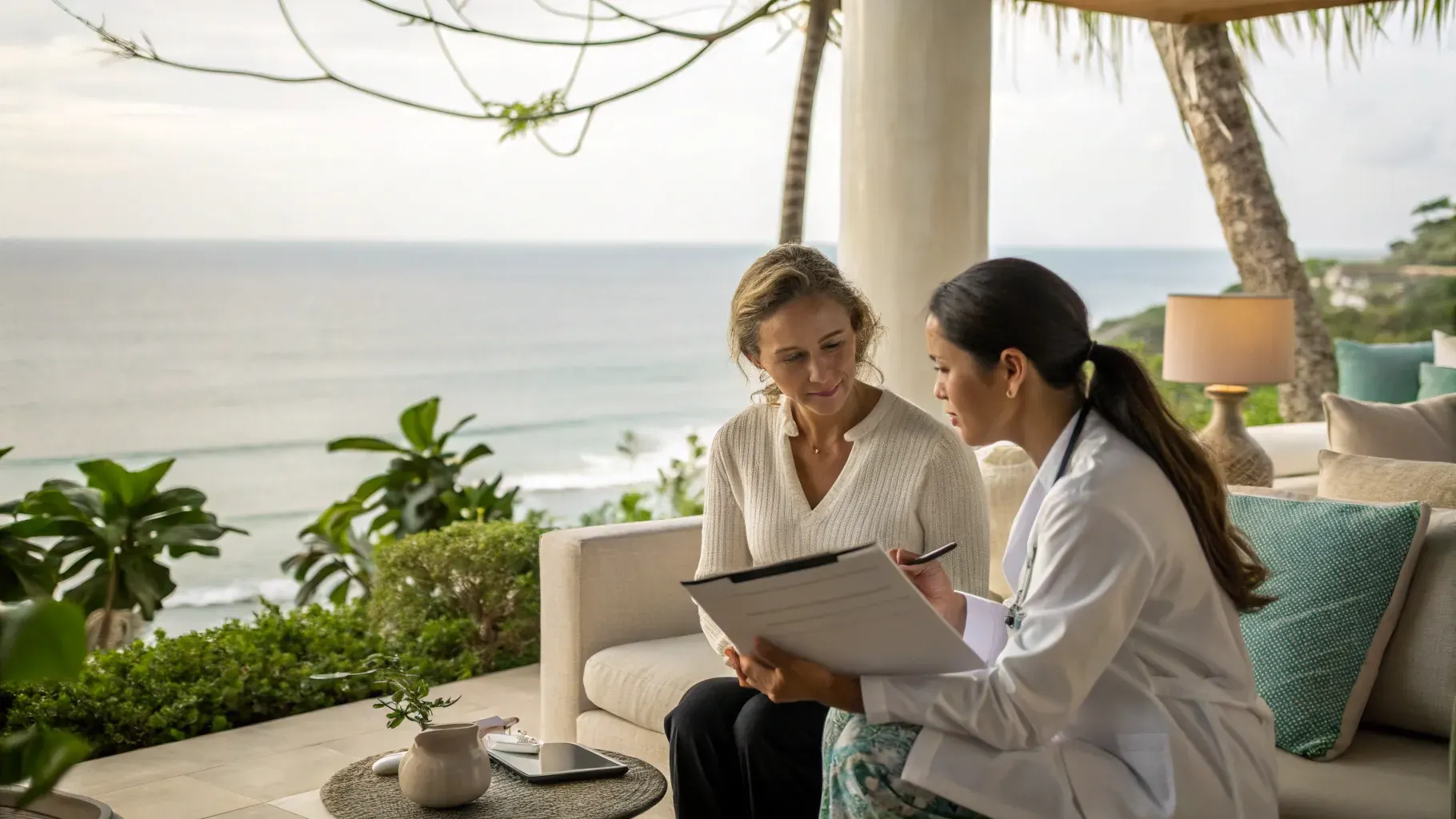
To understand Ubud is to understand the etymology of its name. Derived from the Balinese word ubad, meaning medicine, this town has been a center for healing for more than a millennium. It was here, at the confluence of the Oos and Cerik rivers, that the 8th-century Javanese priest Rsi Markandeya was divinely inspired to establish a temple, sensing a powerful energy emanating from the earth. That energy persists. A retreat in Ubud is a direct immersion into this legacy. It is less a wellness vacation and more a spiritual pilgrimage. The focus is on time-honored Balinese traditions, from melukat water purification ceremonies at temples like Tirta Empul to private consultations with local healers, or Balian, who practice ancient arts passed down through generations. The distinction worth holding on to is that Ubud is not performing spirituality for visitors. Balinese Hinduism here is a living Indic-animist practice with its own calendar and obligations, and what a visitor gets from it comes from participating on its terms rather than watching it. This authenticity is palpable. The entire region is anchored by the UNESCO World Heritage-listed Subak irrigation system, a testament to the Balinese Tri Hita Karana philosophy of harmony between the spiritual, human, and natural worlds. For the retreat-goer, this translates to an environment primed for introspection. At world-renowned centers like The Yoga Barn, which offers over 100 classes a week, the practice is deep-rooted and reverent. A journey here is vertical—a deep dive into the self, supported by the profound gravity of Balinese culture.
The New Wave: Canggu’s Modern Wellness and Coastal Energy
If Ubud is Bali’s soul, Canggu is its pulse. Located just 20 kilometers south, yet a world away in ethos, this coastal enclave has morphed from a sleepy surf village into a global nexus for a new kind of wellness. The transformation here is not about ancient ritual, but modern optimization. The vocabulary of a Canggu retreat includes terms like biohacking, cryotherapy, somatic breathwork, and functional fitness. While yoga is ubiquitous, it’s often a dynamic, power-flow class set to a curated electronic soundtrack, followed by a protein smoothie. The energy is kinetic, social, and relentlessly forward-looking. As noted by Indonesia’s official tourism board, Canggu’s growth has been exponential, attracting a global tribe of digital nomads, entrepreneurs, and creatives. This community is central to the Canggu experience. Transformation here is often a collaborative act, forged in co-working spaces, mastermind groups, and sunset conversations at beach clubs. “Canggu is a wellness incubator,” says wellness architect and long-time resident Sofia Diaz. “People come here not just to heal, but to build. They are building businesses, brands, and new versions of themselves. The energy is less about finding peace and more about harnessing power.” The landscape reflects this: sleek, minimalist villas, state-of-the-art gyms like Body Factory Bali, and an ever-expanding roster of chic cafes. A retreat in Canggu is horizontal—an expansion of your network, your physical capabilities, and your vision for the future, all set against the invigorating backdrop of the Indian Ocean.
Accommodation and Ambiance: Sanctuaries vs. Social Hubs
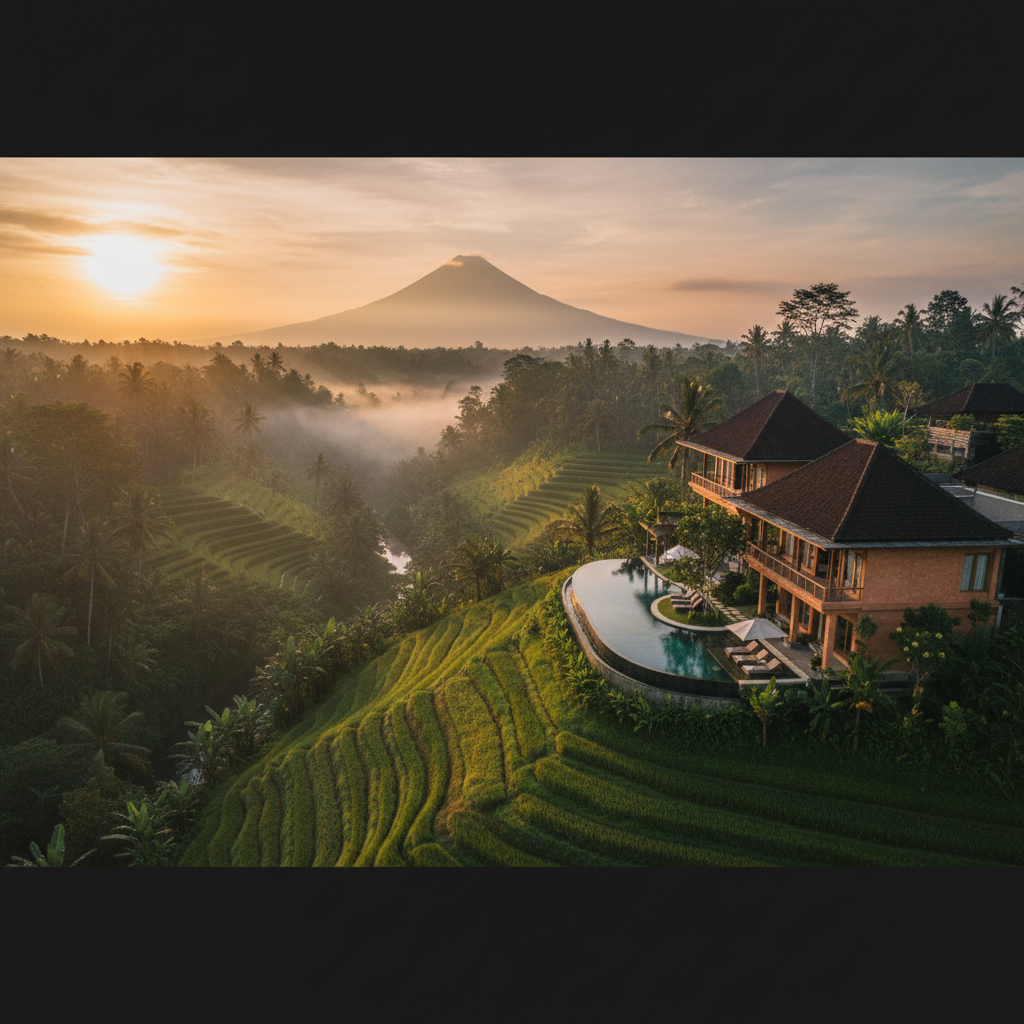
The choice between Ubud and Canggu is starkly reflected in their luxury accommodations. In Ubud, the ultimate expression of luxury is seclusion. Properties are designed to dissolve into the jungle, creating private sanctuaries for deep rest and reflection. Think of the riverfront villas at Four Seasons Sayan, reached by a dramatic sky-bridge, or the holistic immersion at COMO Shambhala Estate, where personal wellness programs dictate your entire stay. These are not just hotels; they are self-contained worlds. A typical high-end retreat villa here will be perched on a gorge overlooking the Ayung River, its infinity pool blurring into the emerald canopy. The cost for such privacy and service can range from $700 to over $2,500 per night. The ambiance is one of profound quiet, broken only by the sounds of the jungle. It is an environment that commands you to turn inward. Our curated Bali spiritual retreat packages often feature these exclusive jungle hideaways for precisely this reason. In contrast, Canggu’s luxury is defined by design and connectivity. The architecture is sharp, modern, and built for social engagement. Villas feature open-plan living areas that flow into immaculate pools, designed for hosting small gatherings. Properties like The Slow or COMO Uma Canggu offer a sophisticated, social hub atmosphere with rooftop bars and direct beach access. The luxury here is being in the center of the action, with seamless access to the area’s best restaurants, beach clubs, and wellness studios. The vibe is one of effortless cool, a place to see and be seen. The choice is fundamental: do you want your sanctuary to be a fortress of solitude or a launchpad for social connection?
Cuisine: From Farm-to-Table Vegan to Global Gastronomy
The culinary philosophies of Ubud and Canggu provide another clear point of distinction. Ubud is the undisputed epicenter of Bali’s “eat to live” movement. It is a haven for raw, vegan, and vegetarian cuisine, with a deep emphasis on farm-to-table sourcing. Restaurants like Moksa and Alchemy are institutions, pioneering plant-based gastronomy that is both medicinal and delicious. Many establishments operate their own permaculture gardens, meaning the distance from soil to plate can be measured in meters. A 2023 report on culinary tourism noted that nearly 40% of Ubud’s high-end restaurants identify as “health-focused.” The dining experience is often an extension of the spiritual practice—mindful, nourishing, and deeply connected to the land. Canggu, on the other hand, embraces a “live to eat” philosophy. Its culinary scene is a vibrant, global tapestry reflecting its international community. While healthy cafes serving smoothie bowls are on every corner, the gastronomic landscape is far more diverse and hedonistic. Here you will find top-tier Japanese omakase, authentic Italian trattorias, and avant-garde tasting menus from international celebrity chefs. A recent survey counted over 750 food and beverage outlets in the Berawa and Batu Bolong areas alone. The focus is on flavor, ambiance, and the social ritual of dining. Beach clubs like La Brisa or Finns offer extensive menus designed to be enjoyed with craft cocktails and ocean views. In Canggu, food is part of a lifestyle of balanced indulgence, where a morning surf session is justly rewarded with an evening of culinary exploration. The question for the retreat-goer is whether the diet should be a tool for purification or a celebration of life’s pleasures.
The Pace of Transformation: Deep Dives vs. Dynamic Growth
Ultimately, the decision between an Ubud and a Canggu retreat hinges on the desired pace and nature of your transformation. Ubud facilitates a slow, deliberate, and profound internal shift. The environment itself—the dense jungle, the sacred sites, the gentle rhythm of village life—encourages a slowing down of the nervous system. The work done here is deep. It involves peeling back layers, confronting old patterns, and connecting with a more essential version of oneself. A typical day might involve a two-hour morning yoga and meditation practice, a session with a traditional healer, journaling by a private pool, and a quiet, nourishing dinner. The transformation is quiet, internal, and lasting. It’s a foundational reset. Choosing the right environment is the first step in designing a truly transformative Bali spiritual retreat, and Ubud offers an exceptional setting for this deep inner work. Canggu, by contrast, fosters rapid, dynamic, and externally-focused growth. The energy of the place is invigorating; it pushes you to act, to create, to connect. A day in Canggu might start with a high-intensity workout or a surf lesson, followed by a networking lunch, a skills-based workshop in the afternoon, and a social dinner with new contacts. The transformation is about expansion—building confidence, clarifying purpose, and testing your limits in a supportive, high-energy community. It’s about taking your inner work and immediately putting it into action in the world. Neither approach is inherently better, but they serve vastly different purposes. One builds the foundation, the other erects the skyscraper.
Quick FAQ: Ubud vs Canggu Bali Retreat
Which is better for a solo female traveler? Both locations are generally safe for experienced travelers. However, Ubud’s established, wellness-focused community and quieter pace can feel more nurturing and secure, particularly for a first-time solo spiritual journey. Canggu’s vibrant social scene is excellent for meeting people, but requires a greater degree of urban and traffic awareness, especially at night.
What is the travel time between Ubud and Canggu? The physical distance is a mere 25-30 kilometers. However, due to Bali’s notoriously congested traffic, the journey can realistically take anywhere from 75 to 120 minutes by car. Travel times can easily double during peak hours (approximately 4-7 PM) or on ceremonial days.
Can I experience both on a single retreat? Absolutely, and we highly recommend it for a balanced journey. A “split-stay” itinerary is an excellent way to experience Bali’s duality. We often structure trips with 5-7 days in Ubud for deep spiritual work and introspection, followed by 3-4 days in Canggu to integrate, socialize, and enjoy the coast before departure.
Which location is more expensive? While five-star luxury accommodation is priced similarly in both areas, the day-to-day cost of living is noticeably higher in Canggu. A 2023 cost analysis showed that dining out, transportation, and activities at high-end venues in Canggu can be 20-30% more expensive than their equivalents in Ubud.
The perfect journey isn’t about choosing the ‘better’ destination, but the one that resonates with your deepest intention. The path to transformation is not a singular route but a personalized map drawn from the desires of your own spirit. Whether you seek the ancestral whispers of Ubud’s jungles or the energizing pulse of Canggu’s shores, the island has a frequency for you. The most important step is to listen. Let us help you chart that course and attune to the rhythm of your own becoming. Explore our curated journeys and begin designing your bespoke bali spiritual retreat today.