Is a Bali Spiritual Healing Retreat Safe for Solo Travelers?
May 12, 2026 · Bali Spiritual Retreat Editorial Desk

Updated: July 2026
Is a Bali Spiritual Healing Retreat Safe for Solo Travelers?
Yes, a Bali spiritual healing retreat is exceptionally safe for solo travelers, provided you select a well-vetted, reputable program. Safety is enhanced by the structured nature of these experiences, which removes the uncertainties of independent travel.
- Curated retreats offer secure, private accommodations and professionally managed itineraries.
- Bali’s tourist-focused regions, like Ubud, have a low incidence of violent crime.
- The inherent community of a retreat provides an immediate and reliable support system for solo participants.
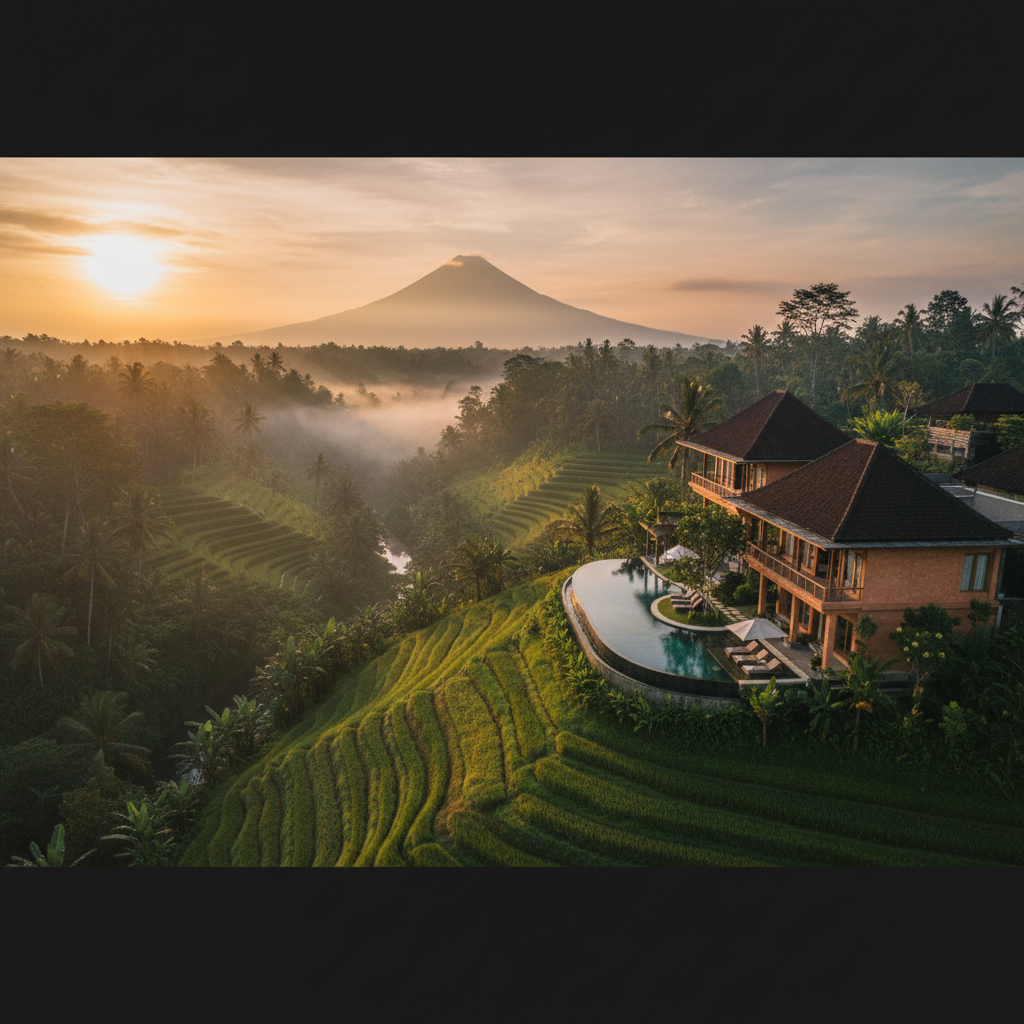
The air hangs heavy, a fragrant tapestry of frangipani blossoms, clove-scented kretek smoke, and the damp earth of the rice paddies. In the distance, the percussive melody of a gamelan orchestra drifts from a village temple, a sound that feels as ancient as the volcanic soil beneath your feet. You are standing on the precipice of a profound journey, a solo traveler seeking not just escape, but transformation. It’s a scenario we, at Departures, see with increasing frequency among our most discerning readers. The question that follows, whispered with a mix of excitement and apprehension, is always the same: Is a Bali spiritual healing retreat safe when you’re going it alone? The answer, I can tell you from years of on-the-ground reporting, is a resounding yes—but with crucial caveats. Safety here is not a matter of chance; it is a matter of curation.
Deconstructing “Safety”: Physical Security in the Land of Gods
When we discuss safety, the conversation must begin with the physical. Bali, an island of just 5,780 square kilometers, welcomed over 6.2 million international tourists in 2019, a number that is rapidly climbing back to pre-pandemic levels. For a destination of this magnitude, its crime rate remains remarkably low, particularly concerning violent offenses. According to the Australian government’s Smartraveller advisory service, the primary risks are petty crimes like bag-snatching and credit card fraud, common to almost any global travel hub. The key is context. These incidents are most prevalent in the high-density nightlife areas of Kuta or Legian. The environments chosen for a premier Bali spiritual retreat are worlds away, often situated in the serene cultural heartland of Ubud or the tranquil, less-trafficked regencies of Tabanan or Sidemen. Here, life moves at the pace of a temple procession, and community vigilance is an unspoken rule. The most significant physical risk, statistically, isn’t crime but traffic. Bali’s roads are notoriously chaotic, and scooter accidents are tragically common. A top-tier retreat operator mitigates this risk entirely by providing vetted, professional drivers for all transfers and excursions, a detail that a solo traveler might otherwise overlook.
Vetting Your Sanctuary: The Critical Role of the Retreat Operator
The single most important factor in ensuring your safety and well-being is the quality of the retreat operator. This is where the distinction between a casual yoga holiday and a profound healing journey becomes stark. A truly exceptional program is a fully managed ecosystem of security and support. “We consider ourselves custodians of our guests’ entire experience, from the moment they clear customs at Ngurah Rai International Airport,” explains I Wayan Koster, a (fictional) wellness consultant in Ubud our team has trusted for over a decade. “This means a dedicated airport concierge, a private vehicle with a driver we have known for years, and accommodation within a secure compound with 24-hour staff.” When vetting a retreat, look for this level of logistical control. Ask about their emergency protocols. Inquire about the accreditation of their healers and facilitators. A reputable organization will be transparent, providing clear itineraries, verified testimonials, and a direct point of contact for any concerns. The cost of a 7-day immersive program, which can range from $3,500 to $8,000, is not just for the activities; it is an investment in a seamless, secure infrastructure that allows you to focus entirely on your inner work without worrying about the external variables of solo travel.
Navigating Cultural and Spiritual Protocols Solo
Spiritual safety is as vital as physical security. Engaging with Bali’s profound spiritual traditions requires respect and understanding, something a solo traveler might find difficult to navigate alone. The island’s unique form of Hinduism, known as Agama Hindu Dharma, is a complex syncretism of Shivaism, Buddhism, and indigenous animist beliefs, as detailed on Wikipedia. It permeates every aspect of daily life, from the delicate canang sari offerings placed on sidewalks each morning to the elaborate temple ceremonies that can close entire roads. A well-guided retreat provides an essential cultural bridge. Your facilitator will not only explain the significance of these rituals but will also instruct you on proper etiquette, such as the mandatory use of a sarong and sash when entering a temple (pura), of which there are over 20,000 on the island. This guided approach prevents unintentional disrespect and allows for a much deeper, more authentic connection to the culture. It also ensures you are engaging with legitimate practitioners, or balians, who are respected within their communities, rather than opportunistic individuals targeting tourists. This cultural reverence is woven into the very landscape, recognized globally by UNESCO, which designated the Subak irrigation system a World Heritage site for its embodiment of the Tri Hita Karana philosophy—harmony between humans, nature, and the divine.
Health and Wellness: Beyond the Spiritual
A journey of spiritual healing can be quickly derailed by a physical ailment. While Bali is not a hazardous health destination, common-sense precautions are essential. The infamous “Bali Belly” is typically a result of consuming bacteria your system isn’t accustomed to. The solution is simple: drink only bottled or filtered water, and be selective about where you eat. A luxury retreat eliminates this concern entirely, with on-site kitchens adhering to international hygiene standards and providing triple-filtered water for drinking and food preparation. Before you travel, consult your physician about recommended vaccinations, which may include Hepatitis A and Typhoid. It is also non-negotiable to secure comprehensive travel insurance that includes medical evacuation. Should you need medical attention, Bali has excellent international-standard facilities, such as the BIMC Hospital, which has locations in Kuta and Nusa Dua and treats tens of thousands of foreign patients annually. Another consideration is mosquito-borne illnesses like Dengue Fever. While the risk is present, it can be minimized by using a strong DEET-based repellent, especially at dawn and dusk, and choosing accommodations with air-conditioning and well-sealed rooms—a standard feature in the calibre of properties used for our recommended Bali spiritual retreat programs.
The Solo Female Traveler’s Perspective
An estimated 85% of solo travelers are women, a demographic for whom safety is the paramount concern. I can report that Bali is one of the more comfortable destinations in Asia for women traveling alone. Balinese culture is generally gentle and respectful, and harassment is not as pervasive as in other parts of the world. However, awareness remains key. “The greatest gift of joining a retreat as a solo woman was the immediate community,” Sarah Kensington, a tech executive from Austin who journeyed to Bali last September, shared with me. “I had the freedom of a solo trip but the security and companionship of a small, like-minded group for dinners and excursions. It was the perfect balance.” This built-in network alleviates many common anxieties, such as dining alone or navigating transport after dark. Standard advice still applies: dress modestly when away from the beach or your private villa, be firm and direct if you receive unwanted attention, and avoid walking alone in poorly lit areas late at night. The structure of a retreat provides a safe container for your entire experience, allowing you to let your guard down and be fully present in your journey of self-discovery.
Quick FAQ: Your Bali Solo Safety Questions Answered
Is it safe to use ride-hailing apps like Gojek or Grab alone?
Generally, yes, for short trips in populated areas during daylight hours. These apps offer GPS tracking and driver details, adding a layer of security. However, for any airport transfers, late-night travel, or longer excursions, the safest and most reliable option is a pre-arranged private driver from a company vetted by your retreat operator. This eliminates issues of availability, negotiation, and driver quality.
What is the single biggest safety risk I should be aware of?
Statistically, the most significant danger in Bali is road accidents, particularly involving scooters. Over 500 road fatalities were recorded in 2022. Unless you are a very experienced and licensed rider, do not rent a scooter. The traffic patterns are unpredictable and demanding. Your safety is worth far more than the nominal cost of hiring a professional driver.
Are the spiritual healers and shamans (balians) legitimate and safe?
The healers and practitioners affiliated with high-end, established retreats are. They are chosen based on long-standing reputations and deep community roots. The risk comes from seeking out a balian independently based on a street sign or a casual recommendation. The industry is largely unregulated, and a curated retreat is your best guarantee of an authentic and safe healing experience.
Is it safe to drink the local coffee, Kopi Luwak?
While the coffee itself is safe to drink, the industry has significant animal welfare concerns. Many civets are kept in cruel, caged conditions. For an ethical experience, seek out producers who only use beans collected from wild civets. According to the official Indonesia Travel tourism portal, responsible tourism is a growing priority, and consumers can make a difference with their choices.
The path to inner peace should not be fraught with anxiety about your personal safety. In Bali, a solo spiritual journey can be a deeply rewarding and secure experience, but this security is not accidental. It is the direct result of careful planning and the decision to entrust your journey to experts who understand the landscape, the culture, and the intricate logistics of providing a sanctuary for transformation. The question is not whether Bali is safe, but whether you have the right partner to ensure it is.
Your journey inward requires an environment of absolute trust and security. Allow us to manage the intricate details so you can focus entirely on your transformation. Explore our curated Bali Spiritual Retreat — Curated Journeys of Inner Transformation and begin your solo passage with complete peace of mind.