Price Guide for All-Inclusive Bali Meditation and Yoga Retreats
May 12, 2026 · Bali Spiritual Retreat Editorial Desk

Updated: July 2026
Price Guide for All-Inclusive Bali Meditation and Yoga Retreats
- Budget-Conscious ($1,500 – $3,000): Typically includes shared accommodations, group classes, and plant-based meal plans.
- Mid-Range ($3,000 – $6,000): Offers private rooms, specialized workshops, and a higher guide-to-guest ratio.
- Luxury (from $6,000+): Features private villas, one-on-one sessions with masters, and bespoke cultural immersions.
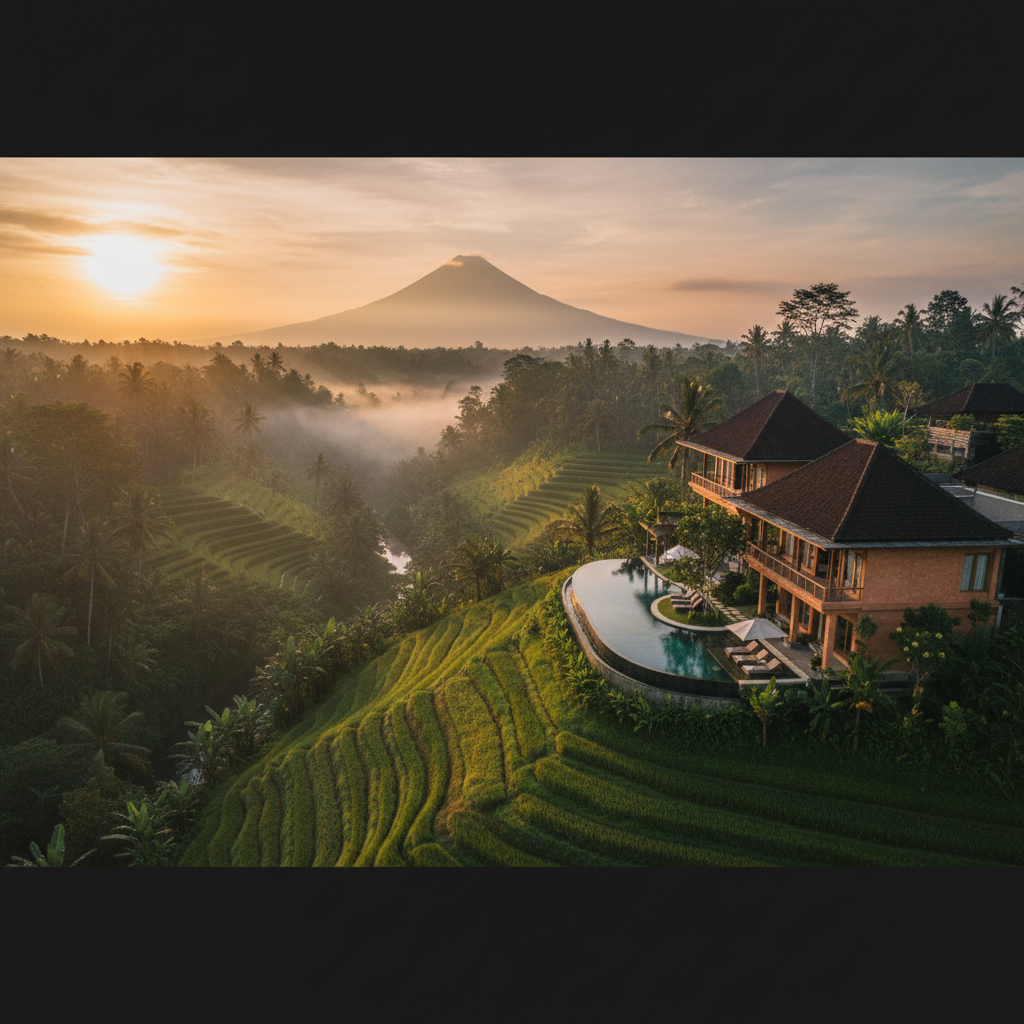
The air hangs heavy and sweet with the scent of frangipani and clove incense, a signature perfume of the island. In the distance, the percussive, shimmering notes of a gamelan orchestra drift from a village temple. You feel the day’s warmth radiate from the volcanic stone path beneath your bare feet as you walk towards the yoga shala. This is the sensory overture to a transformational journey in Bali. For years, I’ve sent correspondents and traveled myself to document the world’s most profound wellness experiences for Departures. The question I receive most frequently isn’t about the experience itself, but its cost. Understanding the financial investment required for a true Bali spiritual retreat is the first practical step toward inner alchemy. It’s a landscape of tiered pricing where value is measured not just in amenities, but in access and authenticity.
Deconstructing the All-Inclusive Price Tag: What Are You Actually Paying For?
The term “all-inclusive” in the context of a Bali wellness retreat is not a monolith. Its meaning shifts dramatically with the price point. At its core, the fee you pay is a bundle of services designed to create a seamless, focused experience. The primary components are always accommodation, meals, and the actual wellness program—the yoga classes, meditation sessions, and workshops. However, the provenance and quality of these elements dictate the cost. A retreat priced at $2,500 for seven days might house you in a clean, comfortable room with a shared bathroom, while a $9,000 package provides a private villa with its own infinity plunge pool overlooking the Ayung River gorge. The former might offer three buffet-style vegetarian meals per day; the latter provides a bespoke menu designed by a private chef following a consultation with an Ayurvedic doctor.
“We see clients focus on the number of yoga classes, but the real value differentiator is in the unlisted amenities and the caliber of instruction,” explains Sari Dewi, the founder of Ubud’s acclaimed Samadhi Wellness Sanctuary, whom I spoke with last spring. “Does your fee include daily spa treatments, or just one? Are airport transfers included? What is the guest-to-teacher ratio?” A typical mid-range retreat will include two daily yoga sessions, a guided meditation, and perhaps one 60-minute Balinese massage. Luxury offerings often build in unlimited spa access, private sessions, and chauffeured excursions. Over 80% of retreats priced above $4,000 include private round-trip airport transfers from Ngurah Rai International Airport (DPS), a 90-minute drive from Ubud, saving you a potential $70 and significant hassle.
The Entry-Level Sanctuaries: Accessible Transformation from $1,500 to $3,000
This tier represents the democratic entry point to Bali’s wellness culture. It is here that community and shared experience are paramount. For a budget between $1,500 and $3,000 for a 7-night stay, you can expect clean, functional, and often beautiful accommodations, though privacy is less of a priority. Accommodations are frequently twin-share rooms or even stylish, multi-bed dormitories. The focus is on creating a collective energy. The meals are wholesome and nourishing—almost exclusively plant-based—but served communally. The yoga and meditation instruction is high-quality, led by certified teachers, though they may be less internationally renowned than those at higher-priced venues. A standard package in this range, say for $2,200, typically includes 10-12 yoga classes, daily pranayama and meditation, all meals, and one or two organized cultural outings, such as a guided walk through the Tegalalang Rice Terraces or a purification ceremony at Tirta Empul temple.
These retreats are often located just outside the prime centers of Ubud or Canggu, perhaps a 15-minute scooter ride away, which helps keep overhead low. They attract a younger, more socially-oriented clientele, including a significant number of solo travelers. The value proposition is immense; you receive a structured, supportive environment to deepen your practice without the financial commitment of a more exclusive program. It’s an authentic way to experience the island’s healing spirit, trading bespoke luxury for the richness of connection with fellow seekers. It’s a powerful and accessible first step into the world of curated wellness journeys.
The Mid-Range Sweet Spot: Curated Wellness from $3,000 to $6,000
This is the category where most discerning travelers find their perfect equilibrium of comfort, personalization, and value. For a weekly investment of $3,000 to $6,000, the experience elevates from communal to curated. The most significant upgrade is privacy; guests can expect their own private room with an en-suite bathroom, often featuring an indoor-outdoor design that embraces the tropical landscape. The culinary program becomes more sophisticated, with à la carte options, specialized menus (such as raw food or Sattvic diets), and a greater emphasis on organic, locally sourced ingredients from the retreat’s own permaculture gardens. The wellness schedule also deepens. Beyond standard Vinyasa or Hatha yoga, you gain access to specialized workshops in disciplines like sound healing, ecstatic dance, trauma-release breathwork, or inversions. The instructor-to-guest ratio drops significantly, often to below 10:1, allowing for more personal feedback and adjustments.
Jean-Pierre Dubois, a Geneva-based wellness travel consultant I often confer with, notes, “This mid-range is Bali’s sweet spot. It delivers 90% of the luxury experience for 50% of the price. We see a client retention rate of nearly 40% in this specific bracket.” A $4,800 package might include a private bungalow, a one-on-one wellness consultation upon arrival, three spa treatments throughout the week, and a choice of exclusive excursions. This level of considered programming is precisely what we look for when selecting journeys for our Bali Spiritual Retreat — Curated Journeys of Inner Transformation. It’s an investment in a meticulously designed experience that fosters genuine growth without the isolation that can sometimes accompany ultra-luxury travel.
The Apex of Luxury: Bespoke Journeys from $6,000 and Beyond
At the highest echelon of Bali’s wellness offerings, the concept of a retreat transforms from a structured program into a completely bespoke journey. With prices beginning around $6,000 and often exceeding $15,000 for a week, these experiences are defined by exceptional privacy, exclusivity, and access. Guests are housed in expansive private villas, complete with personal staff, private pools, and commanding views of sacred rivers or verdant jungle. The itinerary is fluid, co-created with a dedicated concierge or wellness director to meet the guest’s specific intentions. Do you wish to study meditation with a specific Balinese high priest (a pedanda)? Or receive daily one-on-one tutelage from a master yogi flown in from Rishikesh? This is the level where such requests are accommodated. Dining is an entirely private affair, with personal chefs crafting menus based on your dosha, dietary needs, and personal preferences, served in your villa.
World-renowned properties like Fivelements Puri Ahimsa and COMO Shambhala Estate operate in this sphere. A ten-day, $12,000 package here might include helicopter transfers from the airport, a private water blessing ceremony with a respected local shaman, and exclusive guided tours of UNESCO-recognized cultural landscapes like the Subak irrigation system. According to Wikipedia, this ancient cooperative system reflects the philosophical concept of Tri Hita Karana, a cornerstone of Balinese belief. Gaining such intimate access to this living history is a privilege reserved for this tier of travel. This is more than a vacation; it is a profound and private immersion into the deepest layers of Balinese spirituality, facilitated by the highest standards of service on the planet.
Hidden Costs and Budgeting Considerations: Beyond the Sticker Price
A crucial part of planning is accounting for the expenses that fall outside the “all-inclusive” umbrella. The most significant variable is, of course, airfare. A round-trip ticket from Los Angeles (LAX) can fluctuate between $900 in the low season to over $1,800 during peak periods. From London (LHR), expect to pay between £700 and £1,200. It is imperative to book flights at least three to four months in advance for optimal pricing. Next is travel insurance, which is non-negotiable. A comprehensive policy covering trip cancellation, interruption, and medical emergencies will typically cost 4-8% of your total prepaid trip cost. Upon arrival, most nationalities need a Visa on Arrival (VoA), which, according to Indonesia’s official tourism site, costs IDR 500,000 (approximately $32 USD) and is valid for 30 days.
While your retreat covers meals, you will want a budget for incidentals. A trip to the Ubud market for artisan crafts, a beautifully crafted silver piece from a Celuk workshop, or a dinner at one of Seminyak’s top-tier restaurants like Merah Putih can add up. Budget at least $50-$100 per day for these discretionary expenses. Finally, consider gratuities. While not always mandatory, tipping for exceptional service from retreat staff, drivers, and spa therapists is a customary and appreciated gesture. A guideline is to set aside 10-15% of your retreat cost for tips, which are often pooled and distributed among all staff. These ancillary costs can add an additional 20-30% to your total trip budget, a vital calculation for a stress-free journey.
Quick FAQ on Bali Retreat Pricing
Is Bali cheaper than other destinations for yoga retreats?
Yes, in terms of value for money, Bali is exceptionally competitive. A luxury all-inclusive yoga retreat in Bali costing $7,000 would likely have a European counterpart in Tuscany or a Central American equivalent in Costa Rica priced 30-50% higher for similar amenities. The primary equalizer is the cost of airfare; for travelers from North America and Europe, the flight is a significant portion of the total budget.
When is the best time to book for better prices?
The shoulder seasons—April through early June, and September through October—offer the ideal intersection of favorable weather and more competitive pricing. During these months, you can often find discounts of 15-25% compared to the high season of July, August, and the Christmas/New Year period. The rainy season, from November to March, sees the lowest prices but can also mean daily downpours.
Do I need to pay the full amount upfront?
Typically, no. The industry standard is a non-refundable deposit of 30% to 50% required to secure your reservation. The remaining balance is usually due between 60 and 90 days prior to the retreat start date. It is critical to read the cancellation policy carefully, as they can be quite strict, which is why travel insurance is so important.
Are shorter retreats significantly cheaper?
While the total cost for a 3- or 4-day retreat is lower—often in the $800 to $1,500 range—the per-diem rate is almost always higher than that of a 7-day or 10-day program. Longer retreats benefit from economies of scale, offering better overall value. The deeper, more lasting benefits of the practice also tend to manifest with longer immersion, making the 7-day format the most popular and effective.
Ultimately, the price for a Bali meditation and yoga retreat is an investment in your own well-being—a down payment on clarity, peace, and renewed vitality. The financial outlay corresponds to a spectrum of experiences, from communal and rustic to solitary and sublime. The key is to align your budget with your intention. Finding the right program is a deeply personal choice, a matchmaking of spirit and sanctuary. To explore our portfolio of vetted, transformative experiences, we invite you to begin your journey with the Bali Spiritual Retreat guide. We have the insider knowledge to connect your personal quest with the perfect haven.